Acemagic's Retro Mini PC: Modern Power in NES Style
Sofía García ·
Listen to this article~4 min
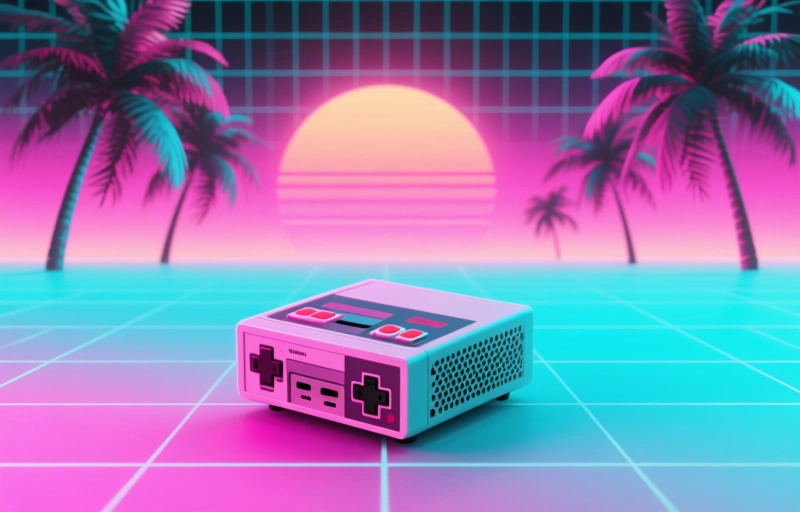
Acemagic's NES-inspired mini PC combines retro design with modern Intel 12th-gen power. Perfect for home offices, media centers, or anyone wanting compact computing with personality.
You know that feeling when you see something that just clicks? That's what happened when I first heard about Acemagic's latest creation. It's a mini PC that looks exactly like the classic Nintendo Entertainment System from the 80s, but don't let the retro exterior fool you. This little box packs some serious modern computing power.
I've been watching the mini PC space for a while now, and this one caught my attention for all the right reasons. It's not just another tiny computer - it's a thoughtful blend of nostalgia and functionality that actually makes sense for today's needs.
### What's Inside That Retro Shell?
Let's talk about what really matters - the specs. This isn't some underpowered novelty item. We're looking at Intel's 12th generation processors, which means you're getting performance that can handle everyday tasks without breaking a sweat. Think about your typical workday: email, web browsing, document editing, maybe some light photo work. This machine handles it all while looking like a piece of gaming history on your desk.
Memory options go up to 16GB DDR4, and storage can be configured with solid-state drives. That's plenty for most people's daily computing needs. The connectivity is surprisingly modern too - you get USB ports, HDMI outputs, and Wi-Fi 6 support. They didn't skimp on the essentials just to fit that nostalgic design.
### Who's This Actually For?
Here's where it gets interesting. This isn't just for hardcore retro gaming enthusiasts, though they'll definitely appreciate it. I see three main groups who would love this:
- Home office workers who want something compact but capable
- Media center enthusiasts looking for a stylish living room PC
- Creative professionals who need a secondary machine that doesn't take up much space
The design actually serves a purpose beyond just looking cool. That familiar NES shape is about 10 inches wide, 7 inches deep, and 2 inches tall - small enough to tuck away anywhere but substantial enough to feel like a real computer.
### The Practical Side of Retro Design
Remember how the original NES had that front-loading cartridge slot? Well, Acemagic kept that design element, but they've made it functional for today's world. Instead of game cartridges, that front slot gives you easy access to ports and connections. It's a clever way to maintain the iconic look while making the device actually useful.
One thing I really appreciate is how they've thought about thermals. Small computers can get hot, but the ventilation here seems well-designed. The original article mentioned they've managed to keep things running cool even under load, which is crucial for long-term reliability.
### Setting Realistic Expectations
Let's be honest for a minute - this isn't going to replace your high-end gaming rig or professional workstation. But that's not what it's designed for. What it does offer is reliable performance in a package that sparks conversation and brings back memories.
As one reviewer put it: "It's the perfect balance of form and function for anyone who grew up with the original NES but needs modern computing capabilities."
### The Bottom Line
So should you consider one of these? If you're in the market for a compact computer that doesn't look like every other black box on the market, absolutely. The pricing starts around $399 for the base model, which puts it in line with other mini PCs in its performance class.
What I love most about this concept is how it bridges generations. It respects the past while fully embracing the present. In a world where most tech looks the same, having something with personality and purpose feels refreshing.
Whether you're setting up a home office, building a media center, or just want a conversation starter on your desk, this retro-inspired mini PC delivers where it counts. It proves that good design never really goes out of style - it just gets smarter about how it serves us today.