ACEMAGIC Retro X3 Mini-PC: Ryzen 7 Power in Compact Form
Sofía García ·
Listen to this article~4 min
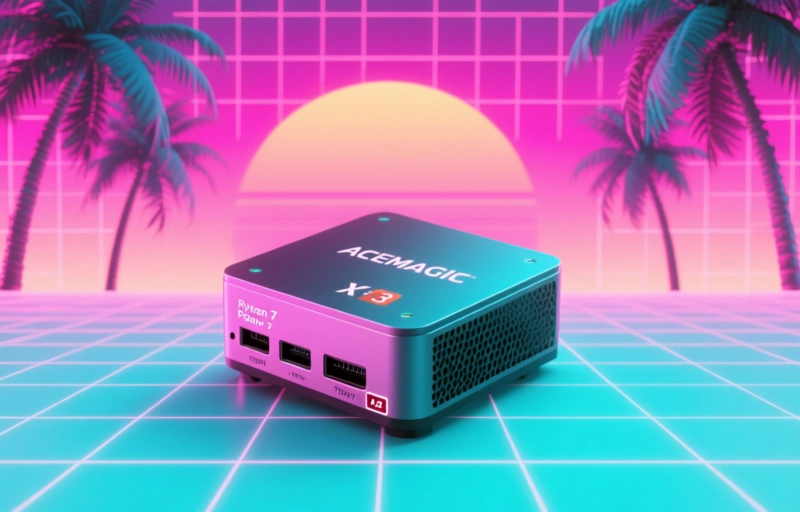
The ACEMAGIC Retro X3 Mini-PC combines AMD Ryzen 7 H 255 processing power with Radeon 780M graphics in a compact form factor, offering desktop-level performance for professionals who value space efficiency without compromising capability.
Hey there, tech enthusiasts. Let's talk about something that's been catching my eye lately - the ACEMAGIC Retro X3 Mini-PC. You know, sometimes you just need power without the bulk, and this little machine seems to be aiming right at that sweet spot.
It's packing some serious hardware in that compact chassis. We're talking about the Ryzen 7 H 255 processor paired with the Radeon 780M integrated graphics. That's not your average mini-PC spec sheet - that's proper desktop-level performance squeezed into a tiny package.
### What Makes This Mini-PC Special
First off, let's address the elephant in the room. Mini-PCs have come a long way from being just media streamers or basic office machines. The Retro X3 is positioning itself as a legitimate computing solution for professionals who need power but value desk space.
The Ryzen 7 H 255 processor is the real star here. It's built on AMD's efficient architecture, delivering solid multi-core performance that can handle everything from complex spreadsheets to light content creation. You're not going to be rendering Hollywood movies on this, but for most professional workflows? It's more than capable.
### Graphics Performance That Surprises
Now, the Radeon 780M iGPU is where things get interesting. Integrated graphics used to be, well, basic. But AMD's RDNA 3 architecture has changed the game. This isn't just about displaying your desktop - we're talking about legitimate gaming capability and smooth 4K video playback.
Think about it this way: you could have this compact machine on your desk, connected to multiple monitors, handling your daily tasks with ease, and still have enough graphical power for some after-work gaming or video editing. That's versatility that wasn't available in mini-PCs just a few years ago.
### Who's This For, Really?
Let's be honest - not everyone needs a massive tower PC anymore. The Retro X3 makes sense for several types of users:
- Professionals with limited desk space who still need computing power
- Digital nomads who want a portable yet capable setup
- Home office users who value clean, minimalist aesthetics
- Anyone who wants to reduce cable clutter and physical footprint
### The Retro Design Element
ACEMAGIC isn't just focusing on internals - they're playing with nostalgia too. The "Retro" in the name suggests some throwback design elements. While we don't have the exact visual details, it's likely combining modern performance with classic computer aesthetics.
That's actually pretty smart. In a world of black and silver boxes, something with character stands out. It becomes a conversation piece on your desk rather than just another piece of tech.
### Practical Considerations
Now, I know what you're thinking - "What about upgrades?" That's always the trade-off with mini-PCs. You're sacrificing some expandability for that compact form factor. But here's the thing: with specs like these pre-configured, most users won't need to upgrade for years.
The key is choosing the right configuration from the start. With a Ryzen 7 and capable integrated graphics, you're future-proofed for most professional applications. It's about matching your needs to the hardware, not constantly chasing upgrades.
### Final Thoughts
What I appreciate about machines like the Retro X3 is how they're changing our perception of what's possible in small form factors. We're no longer making major performance compromises for the sake of size.
As one industry observer recently noted, "The mini-PC revolution isn't about making computers smaller - it's about making powerful computing more accessible and convenient."
That really captures it, doesn't it? The ACEMAGIC Retro X3 represents that shift perfectly. It's not trying to replace high-end workstations, but it's offering a compelling alternative for the growing number of users who prioritize efficiency, space, and smart design.
So if you're in the market for a new computer and find yourself drowning in cables or desk clutter, maybe it's time to think small. The power is there - it just comes in a more thoughtful package these days.