Acer PC Price Hike Coming in 2026: RAM & SSD Costs to Blame
Sofía García ·
Listen to this article~4 min
Acer announces PC price increases effective February 20, 2026, citing rising costs for RAM and SSD memory components. Learn what's driving the hike and how it could affect your tech budget.
Hey there. If you've been eyeing a new Acer computer for your business or personal setup, you might want to listen up. We're getting word that a price increase is on the horizon, and it's going to affect a lot of folks. Starting February 20, 2026, Acer plans to raise prices across its PC lineup. It's not a small tweak either—this is a direct response to some significant cost pressures building up in the supply chain.
So, what's driving this? It all comes down to the guts of the machine. The cost of key hardware components, specifically RAM and SSD memory, is climbing. Manufacturers are facing higher bills for these essential parts, and that cost is, unfortunately, going to be passed along to us, the buyers. It's a classic case of supply and demand, with a few global market twists thrown in.
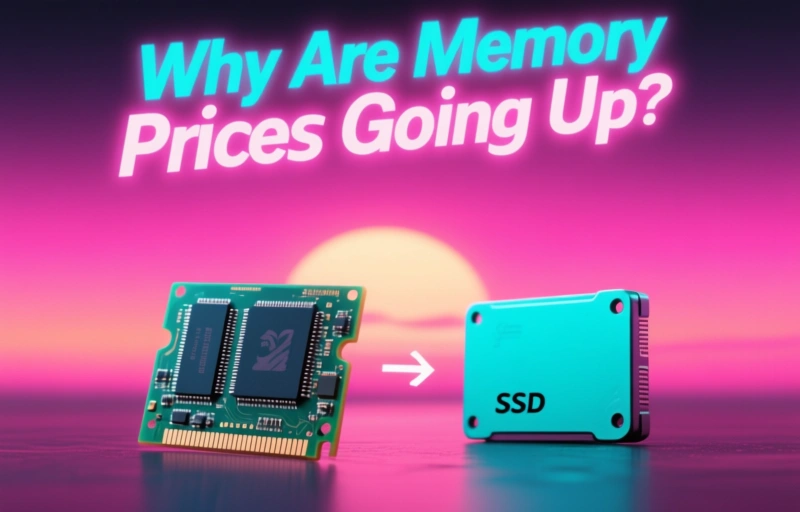
### Why Are Memory Prices Going Up?
Let's break it down a bit. RAM (Random Access Memory) and SSDs (Solid State Drives) aren't just widgets; they're complex pieces of technology. Their production involves specialized factories and raw materials that are sensitive to market shifts. Recently, there's been a perfect storm of factors: increased demand for electronics, some bottlenecks in manufacturing capacity, and even fluctuations in the cost of materials. When you combine all that, the price tag for these components starts to creep upward.
For businesses that rely on Acer's mini computers or desktop solutions, this isn't just abstract news. It could impact your budget planning for the next fiscal year. A price increase of even 5-10% on a bulk order adds up fast. It's a reminder that the tech market is never static; it breathes and shifts with global economic currents.
### What This Means for Your Next Purchase
Thinking about upgrading your office computers or buying a new powerful machine for creative work? Here’s what you should consider:
- **Timing is Key:** If your upgrade isn't urgent, buying before February 2026 could save you money. If you can wait, you might also see how the market adjusts after the increase.
- **Evaluate Your Needs:** Do you really need that top-tier 64GB RAM configuration, or would 32GB do the job perfectly well for another few years? Being strategic about specs can help offset price changes.
- **Explore Your Options:** While Acer is a major player, this trend isn't isolated to one brand. Keep an eye on announcements from other manufacturers, as they might follow suit.
It’s a bit of a tangled web. One industry analyst recently noted, *"Memory pricing cycles are notoriously volatile. A period of stability often precedes a sharp correction, either up or down, based on factors far beyond any single retailer's control."* We're likely in one of those 'up' phases right now.
### Looking Beyond the Headline
This isn't just about Acer raising prices. It's a signal about the health of the tech component ecosystem. When foundational parts like memory get more expensive, it ripples out. It can slow down the adoption of newer, faster standards because companies and consumers become more price-sensitive. For professionals who need reliable, powerful machines, it underscores the importance of making informed, forward-looking purchases.
So, what's the takeaway? Don't panic. This is a planned, communicated change, not a surprise. Use this information to make smarter decisions. Whether you're managing an IT budget for a small business or just want a great deal on your next personal computer, a little awareness goes a long way. Keep an eye on those component markets—they tell the real story of where your tech dollars are going.