Build Your Own Mini Computer: A STEM Project Guide
Sofía García ·
Listen to this article~4 min
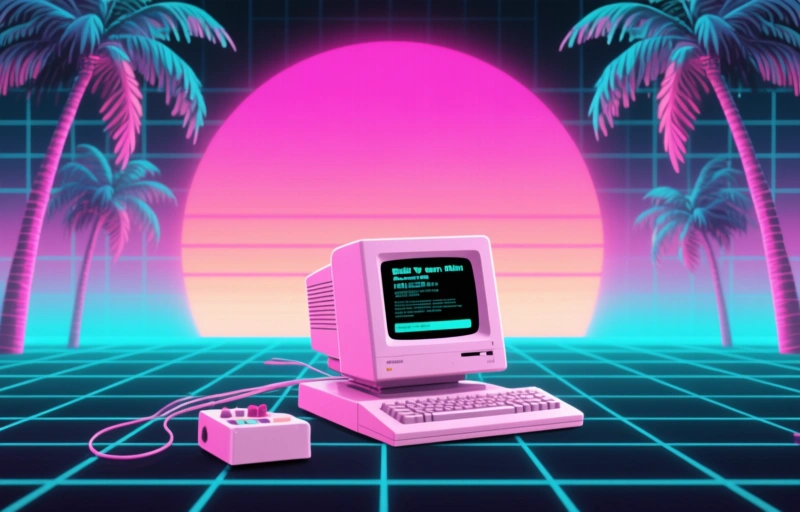
Learn how building your own mini computer is an accessible and valuable STEM project for tech professionals. Discover the skills you'll gain and how to get started with a beginner-friendly kit.
Ever wondered what makes your computer tick? I mean, really tick, from the inside out. There's something special about building something with your own hands, especially when it's as complex as a computer. And guess what? You don't need to be an engineering genius to build your own mini computer. It's a fantastic project that blends creativity with technical skill, and it's more accessible than you might think.
Let's talk about why this is such a great idea. For professionals in the tech space, or anyone curious about hardware, building a mini computer isn't just a weekend hobby. It's a deep dive into the fundamentals. You get to understand how components talk to each other, how power flows, and how software meets hardware. It's the kind of hands-on learning that sticks with you.
### Why Build a Mini Computer?
So, why choose a mini computer project? First off, they're compact. We're talking about systems that can fit in the palm of your hand or a small box on your desk. This size constraint makes the build process a clever puzzle. You learn about efficient design and space management. It's also generally more affordable than building a full-sized tower, with many starter kits available for under $150.
You'll gain practical skills that are hard to get from just reading or watching videos. Things like:
- Soldering components onto a board (don't worry, it's easier than it sounds)
- Reading and following technical schematics
- Installing and configuring a basic operating system
- Troubleshooting hardware connections
It's a confidence builder. When that little machine boots up for the first time, the feeling is unbeatable.

### Getting Started with Your Build
Okay, you're interested. Where do you begin? The good news is you don't have to source every single capacitor and resistor individually anymore. There are fantastic all-in-one kits designed for beginners. Look for kits based on popular microcomputers like the Raspberry Pi or similar boards. These kits usually include the main board, a case, a power supply, and sometimes even basic peripherals.
You'll need a few basic tools: a small Phillips-head screwdriver, maybe a pair of tweezers for handling tiny parts, and a well-lit workspace. A clean, static-free surface is your best friend here. I always clear off my kitchen table and use an anti-static mat. It sounds fancy, but it's just a good habit to protect those delicate electronic parts.
As one experienced builder put it, "The magic isn't in the specs; it's in the understanding you gain from putting the pieces together yourself."

### The Real-World Value for Tech Professionals
For those working with computer products, this isn't just a fun diversion. It's professional development. Understanding the physical layer of computing makes you a better problem-solver. When software acts up, you'll have a clearer mental model of what the hardware might be doing. It demystifies the black box.
These mini computers are also incredibly versatile. Once built, you can turn yours into a dedicated media server, a retro gaming console, a network monitoring tool, or a test environment for new software. The project doesn't end at assembly; that's just the beginning of what you can create.
The process teaches patience and precision. Some connections are tiny, and you have to go slow. But that's part of the charm. In a world of instant downloads and cloud everything, building something physical, step-by-step, is a wonderfully grounding experience. It connects you to the tangible heart of the digital world we work in every day. So, why not give it a shot? Grab a kit, clear an afternoon, and start building your understanding from the ground up.