GMK K13 Mini PC: Compact Powerhouse with eGPU Support
James Moore ·
Listen to this article~4 min
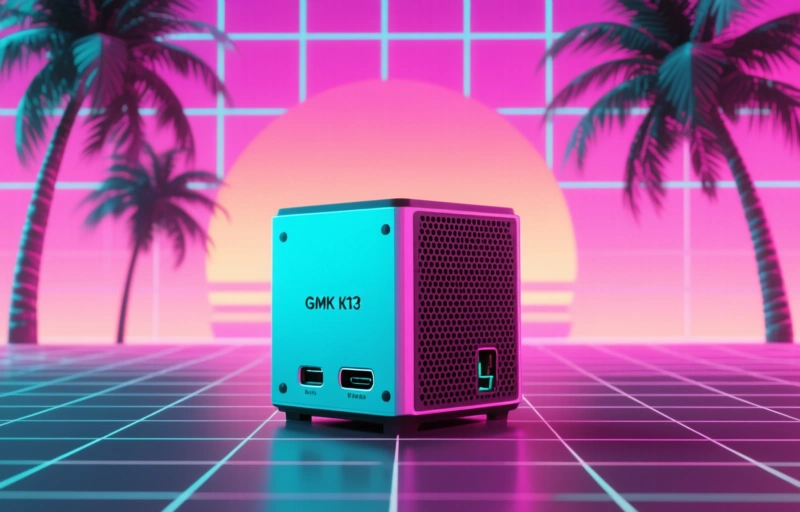
The GMK K13 mini PC delivers desktop-level performance in a compact form factor with powerful CPU, capable integrated graphics, and innovative eGPU support for professional applications.
### The Rise of Compact Computing Power
The GMK K13 mini PC represents a significant evolution in compact computing, bringing desktop-level performance to an exceptionally small form factor. This global release marks a milestone for professionals and enthusiasts who require substantial processing power without the bulk of traditional tower systems. As a Prime Computer Systems Architect specializing in legacy systems, I recognize the importance of this development for industries that rely on space-efficient yet powerful computing solutions.
### Engineered for Performance
At the heart of the GMK K13 lies a powerful CPU designed to handle demanding workloads with efficiency. This processor delivers exceptional multi-threaded performance, making it suitable for data analysis, software development, and content creation tasks. The thermal management system has been engineered specifically for the compact chassis, ensuring sustained performance without thermal throttling during extended use.
### Integrated Graphics Capabilities
The capable integrated GPU (iGPU) provides solid graphical performance for everyday professional applications. This component handles multiple display outputs with ease, supporting productivity setups with dual or triple monitor configurations. For business applications, CAD software, and video conferencing, the iGPU delivers smooth performance without requiring additional hardware.
### External GPU Support: A Game Changer
Perhaps the most innovative feature of the GMK K13 is its support for external graphics processing units (eGPUs). This capability transforms the mini PC from a productivity machine into a versatile workstation that can adapt to changing requirements. Professionals can connect high-performance graphics cards when needed for rendering, machine learning, or advanced visualization tasks, then disconnect them for standard office use.
### Professional Applications and Use Cases
For Prime Computer professionals and legacy systems specialists, the GMK K13 offers compelling advantages. Its compact size makes it ideal for space-constrained environments like manufacturing floors, laboratories, or retrofitted control rooms. The system's compatibility with legacy interfaces through adapters ensures it can integrate with existing infrastructure while providing modern computing capabilities.
Mini computer products like the GMK K13 are particularly valuable for industrial applications where reliability and form factor are critical. The system's robust construction and efficient cooling make it suitable for 24/7 operation in controlled environments. For computer products professionals evaluating deployment options, this mini PC represents a balanced solution between performance and physical footprint.
### Global Availability and Enterprise Considerations
With its global release, the GMK K13 becomes accessible to organizations worldwide. Enterprise buyers should consider the total cost of ownership, including power efficiency gains and reduced cooling requirements compared to traditional desktops. The system's modular approach to graphics processing through eGPU support offers financial flexibility, allowing organizations to allocate graphics resources where they're needed most.
### Future-Proofing Through Modularity
The eGPU support represents more than just a technical feature—it's a strategic approach to hardware longevity. As graphics requirements evolve, organizations can upgrade external components without replacing the entire system. This modularity aligns with sustainable computing practices and reduces electronic waste while maintaining performance competitiveness.
For professionals working with Prime Computer systems and legacy infrastructure, the GMK K13 demonstrates how modern mini PCs can bridge the gap between established systems and contemporary computing requirements. Its combination of processing power, graphics flexibility, and compact design makes it a compelling option for organizations seeking to modernize their computing infrastructure without sacrificing performance or compatibility with existing workflows.