Lobster Tech Shakes Up Xiaomi & Unitree, But Problems Remain
Sofía García ·
Listen to this article~4 min
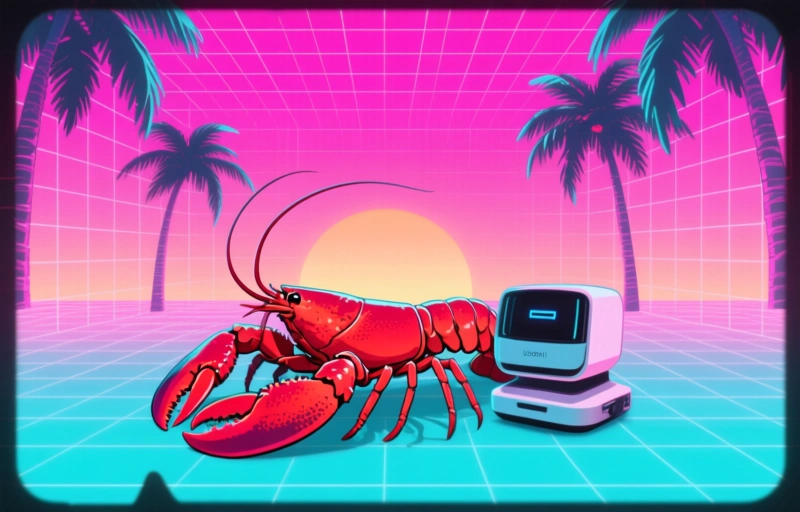
The 'Lobster' tech promises a major leap for Xiaomi and Unitree's mini computers and robotics, but critical challenges like heat, cost, and reliability remain unresolved for U.S. professionals.
You've probably heard the buzz. There's a new piece of tech making waves, and it's got a pretty unusual name: Lobster. It's not seafood, but it is causing a major stir for two big players, Xiaomi and Unitree. The promise is huge—a real transformation in how they approach their computer and robotics products. But here's the thing. When you dig a little deeper, you find some key issues that just aren't getting solved. It's like getting a shiny new gadget that's missing the battery. Exciting, but not quite ready to run.
Let's talk about what this "Lobster" tech actually is. In simple terms, it's a new approach to miniaturization and processing power. Think of it as a way to pack more computing muscle into a smaller, more efficient package. For companies focused on sleek, powerful devices—from mini computers to advanced robotics—this is a game-changer. It could mean products that are faster, lighter, and more capable than ever before.
### The Promise of a Smaller, Faster Future
The potential here is massive. Imagine a mini computer that fits in the palm of your hand but performs like a desktop tower. Or a robot from Unitree that's more agile and intelligent because its brain is both smaller and more powerful. That's the dream Lobster is selling. For professionals in the U.S. who rely on cutting-edge computer products, this isn't just interesting news. It's a glimpse at the next generation of tools. The kind that could redefine what's possible in design, engineering, and automation.
But dreams and reality don't always match up. And that's where we hit a snag.
### The Unresolved Issues Holding Tech Back
Despite all the hype, several critical problems are still on the table. First, there's the question of integration. New tech has to work seamlessly with existing systems, and that transition is rarely smooth. Then there's cost. Advanced miniaturization doesn't come cheap. We're talking about components that could add hundreds of dollars to the final product price. For a market that's sensitive to value, that's a big hurdle.
- **Thermal Management:** Cramming more power into a tiny space creates heat. How do you keep a powerful mini computer from overheating without making it bulky?
- **Software Optimization:** The hardware might be ready, but the software needs to catch up to truly unlock that potential.
- **Long-Term Reliability:** Will these densely packed components stand the test of time, or will they be prone to failure?
These aren't small details. They're the foundation of a product you can actually trust and use every day. As one industry insider put it, "Innovation is only as good as its execution. A brilliant idea trapped by practical problems is just a story."
So, where does this leave us? The arrival of Lobster-style technology is undoubtedly a significant moment. It's pushing companies like Xiaomi and Unitree to think bigger by building smaller. The competitive pressure is on, and that drives progress for everyone. For professionals watching this space, it's a signal to pay attention. The landscape for mini computers and advanced robotics is about to shift.
But it's also a reminder to look past the headline. The real work happens in solving those gritty, unglamorous problems. The transformation might have started, but it's far from finished. The next chapter won't be about who has the flashiest announcement, but who can deliver a product that works brilliantly, reliably, and fits into the real-world workflows of users here in the United States. That's the ultimate test, and it's one we're all waiting to see passed.