Mini PC Resembles Nintendo Entertainment System Design
Sofía García ·
Listen to this article~4 min
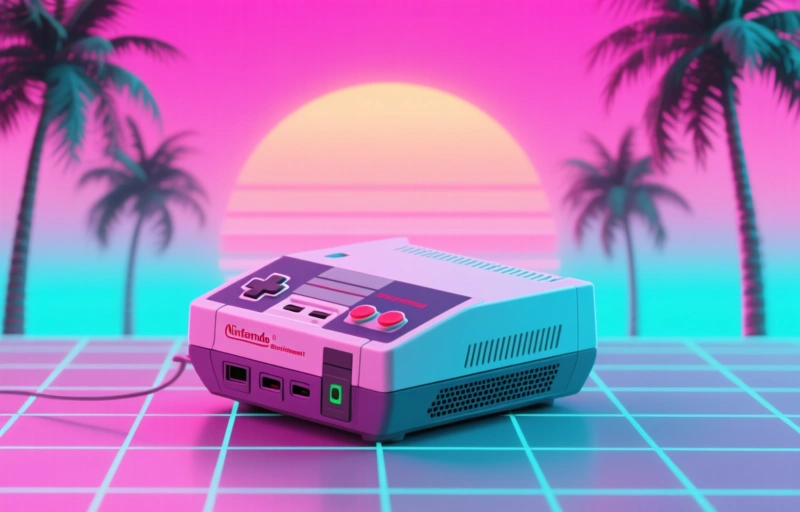
A new mini PC captures hearts with its uncanny resemblance to a classic Nintendo Entertainment System, blending modern computing power with iconic retro design for professionals and enthusiasts.
You know, sometimes tech surprises you in the best ways. I was just reading about this new mini PC that's turning heads, and honestly, it's a delightful little throwback. It doesn't just pack modern computing power into a tiny box—it does so while looking exactly like a classic Nintendo Entertainment System. It's that familiar gray rectangle, the iconic cartridge slot aesthetic, the whole nostalgic package. For anyone who grew up with that console, it's an instant connection. It makes you wonder, why don't more tech products have this kind of playful, personality-driven design?
### Why The Nostalgic Design Works
This isn't just a gimmick. There's a real cleverness here. By tapping into that powerful sense of nostalgia, the creators have made a piece of computer hardware feel approachable and even fun. In a market flooded with anonymous black rectangles, this mini PC stands out on a desk. It sparks conversation. It reminds us that technology doesn't have to be cold and sterile. It can have character and tell a story. For professionals in the computer products space, it's a brilliant case study in product differentiation through design language.

### What This Means For Mini PC Professionals
For those of us working with or selling mini computers, this trend is fascinating. It shows a clear market desire for products that blend high performance with unique form factors. Customers aren't just buying specs anymore; they're buying an experience and an aesthetic. This NES-lookalike proves there's room for creativity beyond the standard industrial design. Here are a few key takeaways for the industry:
- **Form Factor Innovation**: The mini PC category is ripe for design-led innovation that breaks the mold.
- **Targeted Appeal**: A specific design can powerfully attract a niche audience, like retro gaming enthusiasts or collectors.
- **Conversation Starter**: Unique designs generate organic word-of-mouth and social media buzz, which is invaluable marketing.
It makes you think about all the other iconic designs from tech history that could be reimagined. The potential is huge.
### Balancing Looks With Performance
Now, the big question is always, 'But can it actually do the work?' A cute shell is meaningless without capable internals. From what I've seen, these types of specialized mini PCs typically don't skimp on performance. They often house modern processors, ample RAM, and fast SSD storage—all the components a professional needs for everyday computing tasks, light development work, or media management. The magic is in housing that capable tech in a package that makes you smile every time you look at it. It's a reminder that in our field, engineering and artistry can, and should, go hand in hand.
As one industry observer recently noted, 'The most successful tech products often solve an emotional need as well as a practical one.' This mini PC does exactly that.
### The Future of Computer Aesthetics
So, where does this leave us? I believe we're seeing a shift. The success of products like this NES-style mini PC signals that the market is ready for more personality in professional and hobbyist computing. It challenges the notion that serious work requires serious-looking, bland hardware. Perhaps the next wave of mini computers will draw inspiration from other classic designs—old radios, vintage test equipment, or retro-futuristic concepts. The goal is to create tools that people enjoy using and having in their space, not just tolerating. That's a future worth building, one nostalgic, powerful little box at a time.