Prime Computer Hardware Deals 2026: GPUs, CPUs & SSDs
James Moore ·
Listen to this article~4 min
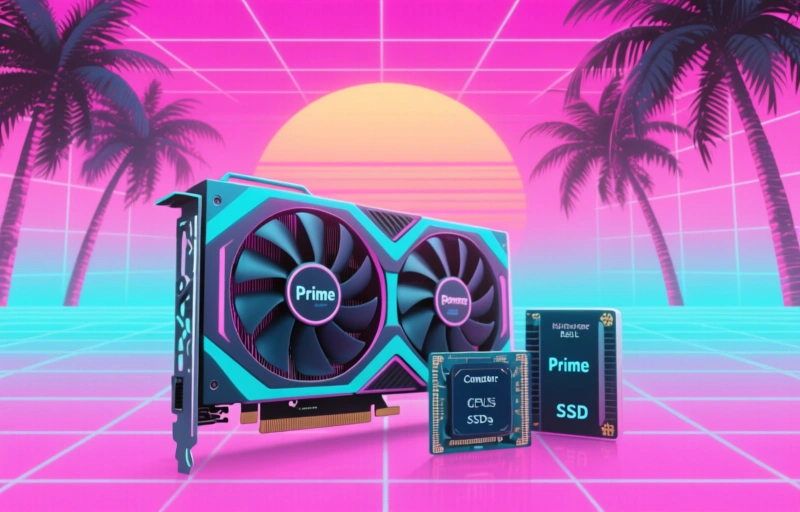
Discover strategic hardware deals for 2026 to upgrade your Prime Computer and mini-computer systems. Learn what makes a component truly valuable for legacy architecture professionals.
Hey there. If you're working with Prime Computer systems or managing mini-computer infrastructure, you know the challenge. Finding the right hardware upgrades that actually work with legacy architectures isn't a simple trip to the local electronics store. It's a specialized hunt. And when you do find compatible components, the price tag can make you wince.
That's why keeping an eye on the market for genuine deals matters more than you might think. We're not talking about flashy consumer gaming rigs here. We're talking about the specific GPUs, CPUs, and solid-state storage that can breathe new life into your Prime systems without requiring a complete—and costly—overhaul.
### Why 2026 Hardware Matters for Prime Systems
You might wonder why we're looking ahead to 2026. The hardware landscape moves fast, even for legacy-focused applications. Newer manufacturing processes for components like SSDs and certain GPUs often trickle down into more affordable, yet highly reliable, options perfect for industrial and computational workloads. By 2026, today's premium tech becomes tomorrow's value workhorse.
This is crucial for extending the lifecycle of your Prime computer products. A strategic upgrade with a modern, efficient CPU or a high-capacity NVMe SSD can dramatically reduce power consumption and boost processing throughput. It's about smart integration, not just replacement.
### What to Look for in a Real Deal
Not every discount is worth your time. For professionals, a deal must meet a few key criteria beyond just a low price.
- **Proven Compatibility**: The component must have a verified track record with Prime OS or relevant hypervisors. Community forums and specialist vendors are your best friends here.
- **Enterprise-Grade Reliability**: Look for components with strong MTBF (Mean Time Between Failures) ratings. Consumer-grade parts often lack the endurance for 24/7 operation.
- **Vendor Support**: Does the seller understand legacy systems? Can they provide firmware or driver guidance specific to Prime architectures?
- **Future-Proofing Potential**: Will this upgrade serve you for the next 3-5 years? Investing in slightly newer tech can prevent another costly upgrade cycle too soon.
As one seasoned systems architect put it, "The best deal isn't the cheapest part; it's the one that solves three problems you didn't even know you had yet."
### Strategic Upgrades vs. Piecemeal Purchases
It's tempting to grab a single component on sale. A cheaper GPU here, a discounted CPU there. But for system stability and performance, a coordinated approach works better. Think about bottlenecks. Upgrading a CPU without ensuring your memory and storage can keep up is like widening one lane on a four-lane highway during rush hour.
Plan your upgrades around a core function. Is it data processing? Focus on CPU and fast RAM. Is it visualization or computational modeling? Then GPU and fast storage become your priorities. This focused spending gets you more real-world performance per dollar than scattered, impulse buys ever will.
### Where the Real Savings Hide
Finally, remember that the biggest cost in legacy systems often isn't the hardware—it's the downtime. A reliable, compatible upgrade that installs smoothly and runs without issue saves countless hours in troubleshooting and system outages. That's the ultimate deal for any professional managing these critical systems. So look beyond the sticker price. Consider the total cost of ownership, the extended service life you'll gain, and the peace of mind that comes with a rock-solid, upgraded Prime system humming along efficiently. That's value you can't put a price tag on.