Supermicro Mini Servers: Compact Power for Modern IT
Sofía García ·
Listen to this article~4 min

Explore how Supermicro mini computer servers deliver enterprise power in a compact form. Learn about key components like I/O shields and the benefits of high-density, efficient IT solutions for modern professionals.
Hey there. If you're managing IT infrastructure, you know the constant push for more power in less space. It's a real challenge. That's where compact solutions like Supermicro's mini computer servers come into play. They're not just smaller boxes; they're a fundamental shift in how we think about deploying computing resources.
Let's talk about why these small form-factor servers are becoming so essential. First, physical space is always at a premium, whether it's a crowded data center rack or a tight office closet. Second, power efficiency isn't just about being green—it directly impacts your operational costs. And third, modern applications often don't need a full-sized, power-hungry tower. They need targeted, efficient compute.
### What Makes a Supermicro Mini Server Tick?
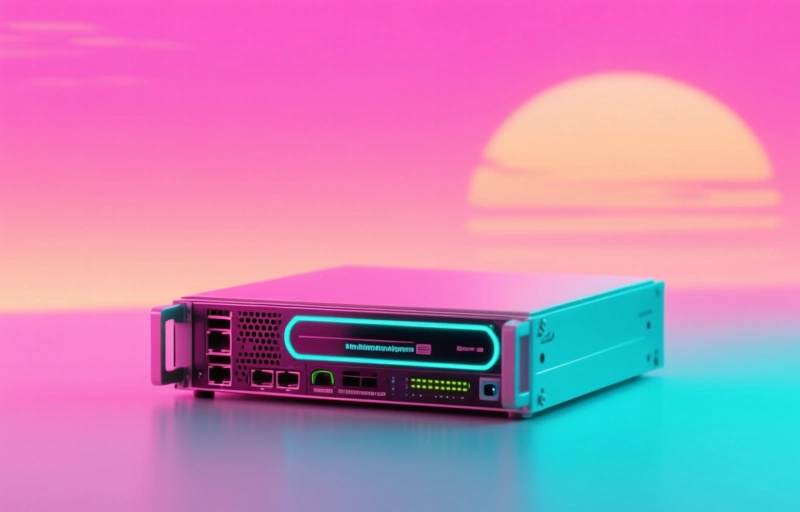
At its core, a mini server packs enterprise-grade components into a chassis that's a fraction of the size. We're talking about capable processors, ample RAM, and fast storage, all designed for 24/7 reliability. The magic is in the integration. Everything is engineered to work together seamlessly, minimizing bottlenecks and maximizing performance per cubic foot.
A key component you'll often hear about is the I/O shield or backplate, like the MCP-260-00024-0N model. This isn't just a piece of metal. It's the critical interface panel that organizes and secures all your external connections—your USB ports, network interfaces, and more. It ensures a clean, professional finish and proper grounding, which is vital for signal integrity and safety.
### The Real-World Benefits for Professionals
Why should you care? Well, the advantages are pretty straightforward:
- **Space Savings:** You can fit multiple mini servers in the space of one traditional unit, dramatically increasing density.
- **Reduced Power and Cooling:** Smaller components generally use less energy, which lowers your electricity bill and eases the load on your HVAC systems.
- **Deployment Flexibility:** Their size lets you place them in edge locations, retail environments, or branch offices where a standard server would never fit.
- **Simplified Management:** Many of these systems are designed for remote management, so you can handle updates and monitoring from anywhere.
It's like having a full toolkit that fits in your pocket instead of a heavy toolbox you have to lug around. The functionality is there, just in a more convenient package.
### Key Features to Look For
When evaluating these systems, don't just look at the size. Dig into the specs. Modern connectivity is non-negotiable. Look for multiple USB 3.0+ ports for fast peripheral connections. High-speed network ports, often 1GbE or 10GbE, are crucial for ensuring your server isn't the bottleneck on your network. The quality of the server board itself dictates everything—from expansion options to long-term stability.
As one seasoned sysadmin put it, 'The right mini server isn't a compromise; it's the optimal tool for a specific job. It lets you put compute power exactly where you need it, without the overhead.'
Finding these components for sale online has become much easier. The key is sourcing from reputable distributors who can provide genuine Supermicro parts and offer support. It ensures compatibility and protects your investment. Remember, you're building the backbone for critical operations, so quality and reliability can't be an afterthought.
In the end, moving towards compact, efficient server solutions isn't just a trend. It's a smart strategy for building a resilient, scalable, and cost-effective IT environment. It allows you to be agile, responding to needs without being weighed down by outdated, bulky hardware. So, the next time you're planning an upgrade or a new deployment, ask yourself: do we really need a giant box, or is there a smarter, smaller way to get the job done?