Top Windows Mini PCs for 2026: Compact Powerhouses
Sofía García ·
Listen to this article~4 min
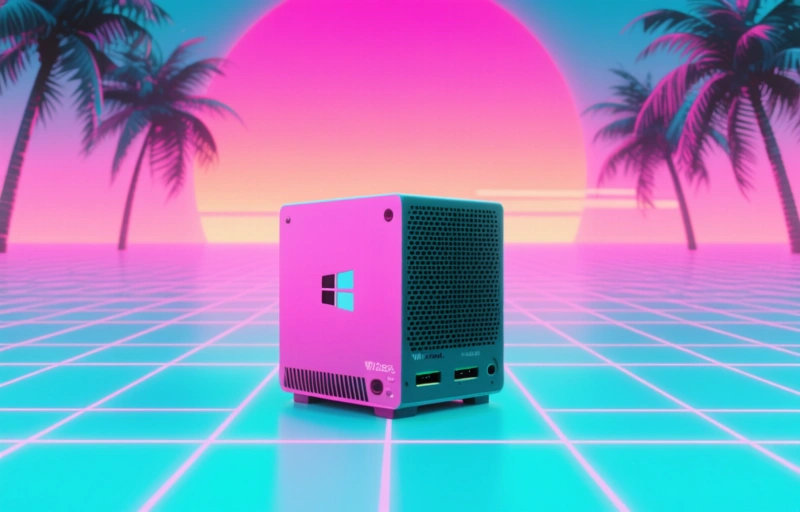
Discover the top Windows mini PCs for 2026. We break down what makes these compact powerhouses tick, from performance and ports to real-world uses for your home office or creative space.
So you're looking at mini PCs for 2026? You're not alone. These little boxes have come a long way from being just media streamers or basic office machines. They're becoming genuine desktop replacements for a whole lot of people, and the 2026 lineup is shaping up to be seriously impressive.
Let's talk about why you might want one. Space is the obvious reason. If your desk looks like a cable management nightmare or you just want a cleaner look, a mini PC is a game-changer. But it's not just about saving a few square inches. The performance you can now pack into something the size of a book is what's truly exciting.
### What Makes a Great Mini PC in 2026?
It's not just about being small anymore. The bar has been raised. You need to think about a few key things before you buy. First, what's inside matters more than the outside. We're seeing newer processors that balance power and efficiency beautifully. You don't want a machine that sounds like a jet engine because it's trying to cool a chip that's too powerful for its tiny body.
Connectivity is another huge factor. How many monitors do you need to run? Do you need fast USB ports for external drives? A good 2026 mini PC should have modern ports without skimping. And let's not forget about upgradeability. Can you add more RAM or storage later? Some models let you, and some don't—it's a big difference.
- **Performance vs. Size:** Finding the sweet spot where power doesn't create a thermal disaster.
- **Port Selection:** Look for USB-C with power delivery, multiple display outputs, and maybe even a LAN port if you're wired.
- **Cooling Design:** A silent or near-silent operation is a major quality-of-life feature.
- **Mounting Options:** Many can be VESA-mounted behind a monitor, which is the ultimate space-saver.
### The Real-World Use Cases
Who are these for, really? Well, almost anyone who doesn't need a massive gaming rig or a specialized workstation. Think about the home office user. A mini PC paired with a nice monitor, keyboard, and mouse creates a clean, professional setup without the bulky tower. For digital signage in a small business, they're perfect. Even as a home theater PC, the latest models have the graphics punch for smooth 4K playback.
One thing I've noticed is how they're popping up in creative spaces too. Graphic designers and video editors who need a secondary machine for lighter tasks are finding them incredibly useful. You wouldn't render a feature film on one, but for editing a podcast or working on website graphics? Absolutely.
As one industry observer recently put it, 'The mini PC is no longer a compromise; it's a deliberate choice for streamlined computing.' That really sums up the shift. People are choosing them, not settling for them.
### Looking Ahead to Your 2026 Setup
When you start shopping, keep your actual needs front and center. It's easy to get drawn in by specs. Ask yourself: What will I *actually* be doing on this every day? If it's web browsing, office apps, and video calls, you don't need the most expensive model. But if you're dabbling in photo editing or want to run multiple virtual machines, then investing in more RAM and a stronger CPU is wise.
The prices are all over the map, from around $300 for a competent basic model to well over $1,000 for a maxed-out powerhouse. The good news is there's something for every budget. The key is to match the specs to your workload. Pay for what you'll use, and don't sweat the rest.
In the end, choosing a Windows mini PC for 2026 is about embracing efficiency. It's about getting the performance you need in a form factor that frees up your space and your mind. They're proof that good things really do come in small packages.