Waveshare's CM5 Mini PC: M.2, Dual Ethernet, HDMI
Sofía García ·
Listen to this article~5 min
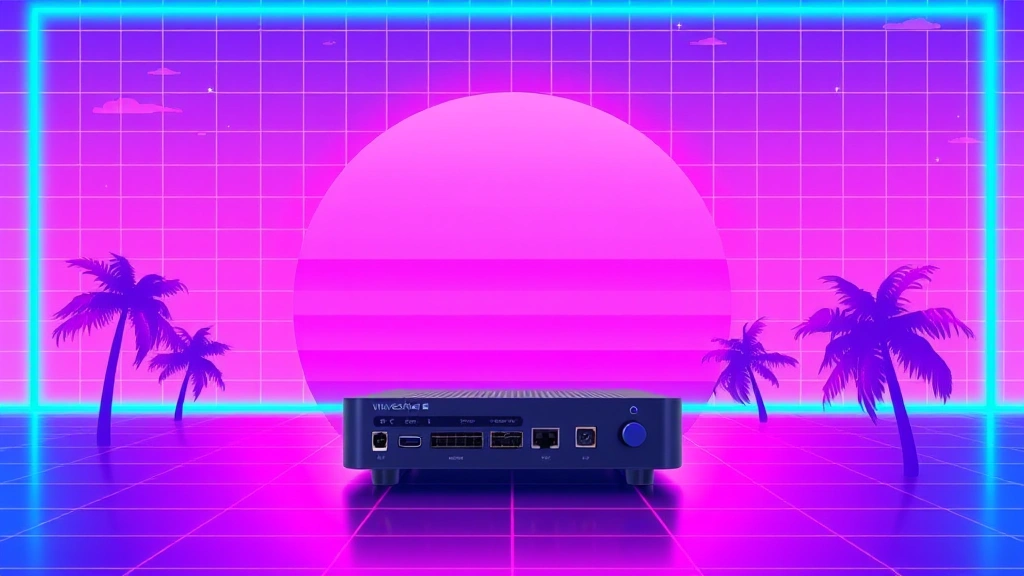
Waveshare's new CM5-based mini PC packs serious features into a tiny form factor: M.2 storage, dual Ethernet ports, and HDMI output make it versatile for professionals and enthusiasts.
If you're looking for a compact computer that doesn't skimp on connectivity, you've got to check out what Waveshare is doing. Their new mini PC, built around the CM5 compute module, is a tiny powerhouse that might just change how you think about small-form-factor machines. It's not just about being small anymore—it's about packing the right features into that small space.
Let's talk about what makes this little box tick. At its heart is the CM5 module, which is essentially the brains of the operation. This isn't your average Raspberry Pi setup, though the concept might feel familiar. Waveshare has taken that compute module idea and built a proper mini PC around it, complete with some surprising ports and expansion options.
### What's Inside This Compact Machine?
The real story here is in the connectivity. First up, there's an M.2 slot. That means you're not stuck with whatever storage comes pre-installed. You can pop in an NVMe SSD and get some serious speed for your operating system and applications. For a device this size, that's a game-changer—no more waiting around for slow storage to catch up.
Then there are the dual Ethernet ports. Most mini PCs give you one, maybe two if you're lucky, but having two dedicated ports opens up some interesting possibilities. You could set this up as a small router, a network monitoring device, or just ensure you always have a backup connection. In a world where reliable networking matters more than ever, this flexibility is worth its weight in gold.
### Where This Mini PC Really Shines
Don't let the small size fool you. With HDMI output, this device can easily drive a monitor or even a TV. Imagine setting up a media center that's about the size of a deck of cards but has proper storage expansion and dual networking. Or think about digital signage in a retail space—small, unobtrusive, but capable of handling the job without breaking a sweat.
Here's what you're getting in that compact package:
- M.2 slot for NVMe SSD storage
- Dual Gigabit Ethernet ports
- HDMI output for display connectivity
- CM5 compute module at its core
- Compact form factor (roughly 4 inches square)
One of the engineers working on similar projects once told me, "The challenge isn't making it small—it's making it small and useful." That's exactly what Waveshare seems to have focused on here. They've looked at what people actually need from a mini PC and built those features in from the ground up.
### Who Should Consider This Mini PC?
This isn't necessarily your next desktop replacement, though it could be for light tasks. Where it really makes sense is in specialized applications. Think about industrial settings where space is at a premium, or educational environments where you want computing power without the bulk. Home lab enthusiasts will appreciate the dual Ethernet for networking experiments, while makers might find it perfect for embedded projects that need more oomph than a typical microcontroller.
The price point isn't confirmed yet, but based on similar CM5-based systems, you're probably looking at somewhere between $150 and $250 for the base unit without storage. That puts it in an interesting space—more capable than entry-level mini PCs but still affordable for most professional or enthusiast uses.
What I appreciate most is that Waveshare didn't just make another tiny computer. They made a tiny computer that actually considers how people will use it. The M.2 slot means you're not locked into slow eMMC storage. The dual Ethernet means you're not constantly needing USB adapters for networking projects. The HDMI output means you can actually use it as, you know, a computer.
In a market flooded with lookalike mini PCs, that kind of thoughtful design stands out. It's the difference between a device that checks boxes and one that solves problems. Whether you're setting up a network appliance, building a compact media center, or just want a small computer that doesn't feel limited, this CM5-based mini PC deserves a look. Sometimes the biggest innovations come in the smallest packages—and this might just be one of those times.