Why a Mini PC Beats a Giant Desktop Every Time
Sofía García ·
Listen to this article~5 min
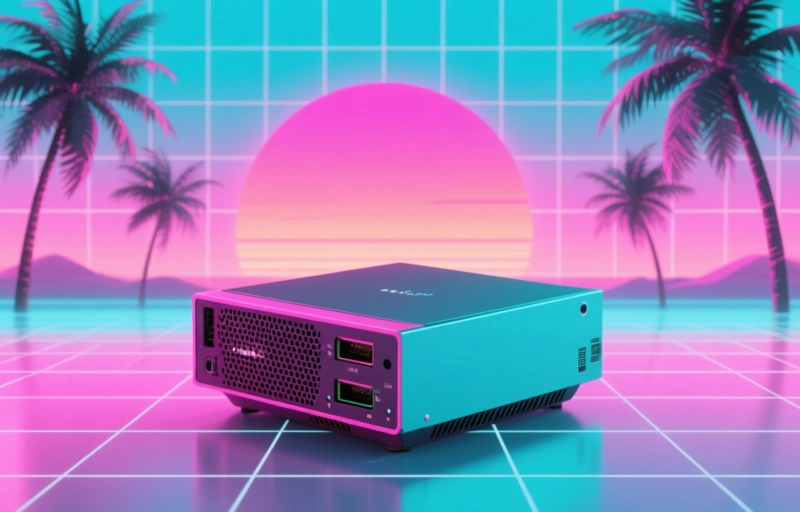
Most people don't need a giant desktop tower anymore. A mini PC saves space, energy, and money while handling everyday tasks with ease. Here's why you should consider making the switch.
You've probably spent hours picking out parts for a massive desktop tower. Maybe you even built one yourself. But here's the thing: most of us don't need that giant machine anymore. A mini PC can do everything a full-sized desktop does, often better.
### What Is a Mini PC, Really?
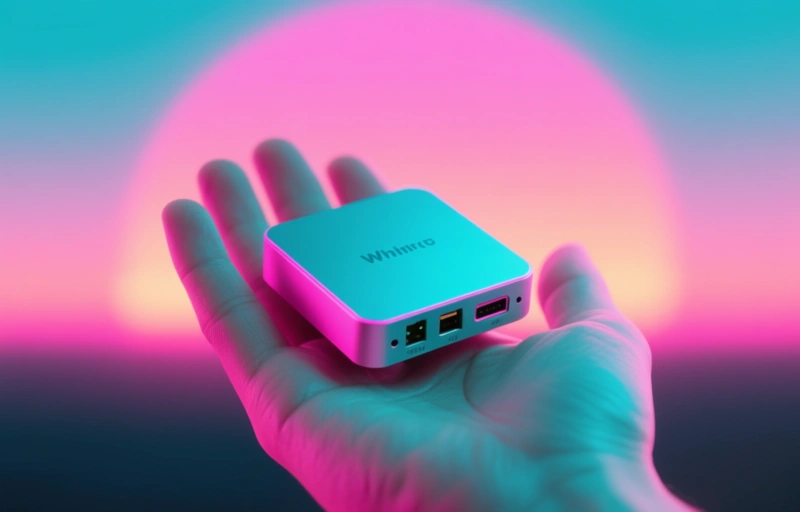
A mini PC is a compact computer that fits in the palm of your hand. It's not a laptop or a tablet. It's a full desktop computer that plugs into your monitor, keyboard, and mouse. Brands like Prime Computer make these tiny powerhouses that can handle anything from office work to light gaming.
Think of it like this: you don't need a semi-truck to go grocery shopping. Most days, a compact car gets you there faster and cheaper. Same logic applies to computers.
### Space Savings That Add Up
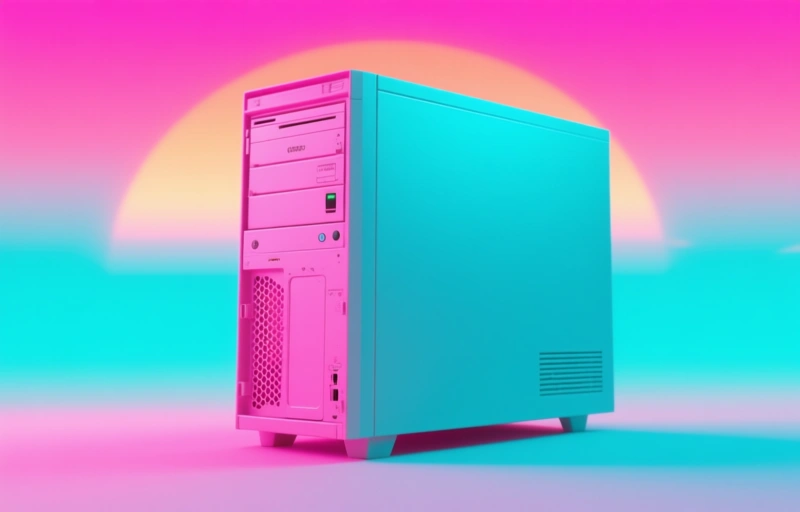
A standard desktop tower takes up a lot of room. It's about 18 inches tall and 8 inches wide. That's a lot of desk real estate. A mini PC, on the other hand, is often smaller than a paperback book. You can mount it behind your monitor or tuck it under your desk.
- Frees up desk space for your coffee mug or notebook
- Makes cable management a breeze
- Reduces clutter and makes your setup look clean
I've seen people use these in cramped home offices where every inch counts. One friend mounted his mini PC under his desk and suddenly had room for a second monitor. Game changer.
### Performance That Surprises
Don't let the small size fool you. Modern mini PCs pack serious power. Many use laptop-grade processors that sip power but deliver solid performance. For everyday tasks like browsing the web, streaming video, or using office apps, you won't notice any difference from a big desktop.
> "I switched from a $1,200 gaming tower to a $400 mini PC for my daily work. I honestly can't tell the difference unless I'm rendering 3D models." - A friend who made the switch
For most people, the bottleneck isn't the computer. It's the internet connection or the software. A mini PC with a decent processor and 8GB of RAM will handle 95 percent of what you throw at it.
### Lower Energy Bills
A full-sized desktop can draw 300 to 500 watts under load. A mini PC typically uses 15 to 45 watts. That adds up fast. If you run your computer 8 hours a day, a mini PC could save you about $60 per year in electricity. Over 5 years, that's $300 back in your pocket.
### Heat and Noise
Big desktops need big fans. Those fans get loud, especially when you're gaming or editing video. Mini PCs use efficient cooling systems that are often silent. You'll hear your refrigerator more than your computer.
Plus, less heat means your room stays cooler in summer. No more feeling like you're sitting next to a space heater.
### Portability Matters
Need to move your computer from your home office to the living room? A mini PC weighs under 2 pounds. You can toss it in a backpack and go. Try that with a full tower.
I know a graphic designer who takes her mini PC to client meetings. She plugs it into their monitor, shows her work, and packs up in seconds. That convenience is hard to beat.
### Who Should Still Buy a Giant Desktop?
There are a few cases where a full-sized desktop still makes sense. Hardcore gamers who need the latest graphics cards. Video editors who render 4K footage daily. People who need multiple expansion slots for specialized hardware.
But for 90 percent of users, a mini PC is more than enough. You save money, space, and energy. You get a quieter, cooler, and more portable machine.
### Final Thoughts
Technology has shrunk. Our computers should too. Next time you're tempted to build a giant tower, pause and think about what you actually need. A mini PC might be the smarter choice.
What's your experience with compact computers? I'd love to hear your thoughts in the comments.