Zotac's Compact Mini PC Packs AMD Ryzen AI MAX+ 395 Power
James Moore ·
Listen to this article~4 min
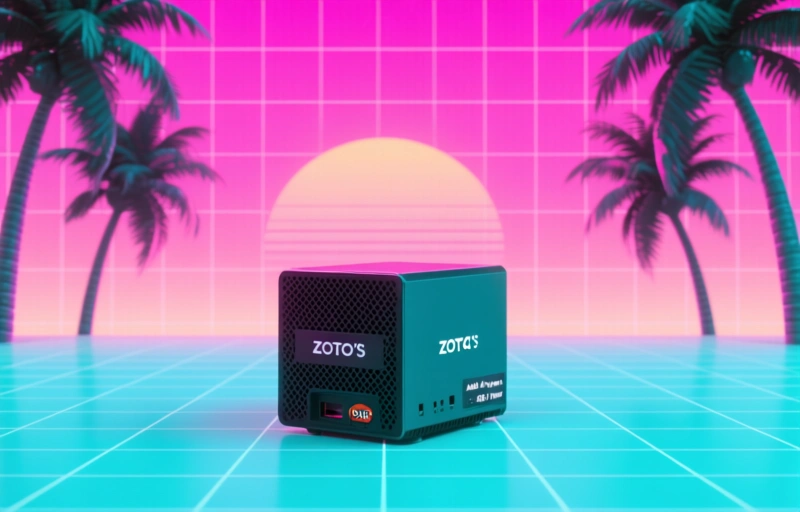
Zotac's compact ZBOX MAGNUS mini PC packs AMD's powerful Ryzen AI MAX+ 395 processor, offering professional-grade performance in a small form factor perfect for modern computing needs.
You know how we're always talking about getting more power in smaller packages? Well, Zotac just dropped something that'll make you do a double-take. They've managed to cram AMD's Ryzen AI MAX+ 395 processor into their ZBOX MAGNUS EAMAX395C mini PC. It's like fitting a V8 engine into a compact car - surprising, impressive, and honestly, a bit thrilling.
For those of us who work with Prime Computer systems and legacy hardware, this represents something interesting. The mini PC space has been evolving quietly in the background while everyone's been distracted by flashy gaming rigs and massive servers. But these little boxes? They're solving real problems for professionals who need capable systems without the bulk.
### What Makes This Mini PC Different
Let's talk about that AMD Ryzen AI MAX+ 395 chip for a moment. This isn't your average processor. It's designed specifically for AI workloads and intensive computing tasks. Think about your legacy systems - they get the job done, but sometimes they struggle with modern demands. This processor bridges that gap beautifully.
What I find fascinating is how Zotac managed the thermal design. Packing that much power into a compact chassis isn't easy. They've had to rethink cooling solutions, power delivery, and component placement. It reminds me of the challenges we faced with early Prime Computer systems - making everything fit and work together harmoniously.
### Practical Applications for Professionals
So where does this fit in your workflow? Consider these possibilities:
- Development and testing environments that need serious processing power
- Edge computing deployments where space is limited but performance can't be compromised
- Legacy system modernization without replacing entire infrastructure
- Specialized applications that benefit from AI acceleration
- Remote office setups that need enterprise-level capability in a small footprint
One of my colleagues put it perfectly: "It's not about replacing everything. It's about having the right tool for specific jobs." This mini PC could be that perfect tool for certain scenarios where traditional towers or servers are overkill.
### The Bigger Picture for Computer Products
Here's what really matters - we're seeing a convergence. Mini computers aren't just for basic tasks anymore. They're becoming legitimate alternatives for professional workloads. The ZBOX MAGNUS EAMAX395C represents this shift. It's proof that you don't need massive hardware to handle demanding applications.
I remember when mini computers were considered secondary systems. They were the backup, the testing machine, the 'oh, that'll do' option. Not anymore. With processors like the Ryzen AI MAX+ 395, they're moving to center stage for certain applications.
### Why This Matters for Legacy Systems Specialists
If you're working with Prime Computer systems or other legacy hardware, you understand the value of gradual modernization. You can't just rip and replace everything overnight. Solutions like this mini PC offer a middle ground - modern performance in a form factor that can integrate with existing setups.
Think about it. You could deploy these for specific departments or applications while maintaining your core legacy systems. It's about strategic upgrades rather than wholesale changes. That approach saves money, reduces disruption, and extends the life of your existing investments.
### Looking Forward
The mini PC market is getting interesting again. With AI capabilities becoming more accessible and processors getting more powerful, these compact systems are finding their place in professional environments. They're not trying to replace everything - they're carving out their own niche where size, power, and efficiency all matter equally.
What I'm watching for next is how these systems integrate with existing infrastructure. Compatibility, connectivity, and management tools will determine whether they become mainstream professional tools or remain specialized solutions. Either way, it's exciting to see innovation in a space that sometimes feels overlooked.
So here's my take - keep an eye on these compact powerhouses. They might just solve problems you didn't realize you had. And in our line of work, that's always worth paying attention to.